
US Troops Relocated to Hotels After Middle East Base Attacks Escalate Security Concerns
- Iran Israel War Latest
Infosprinkle
- 0
- 6 minutes read
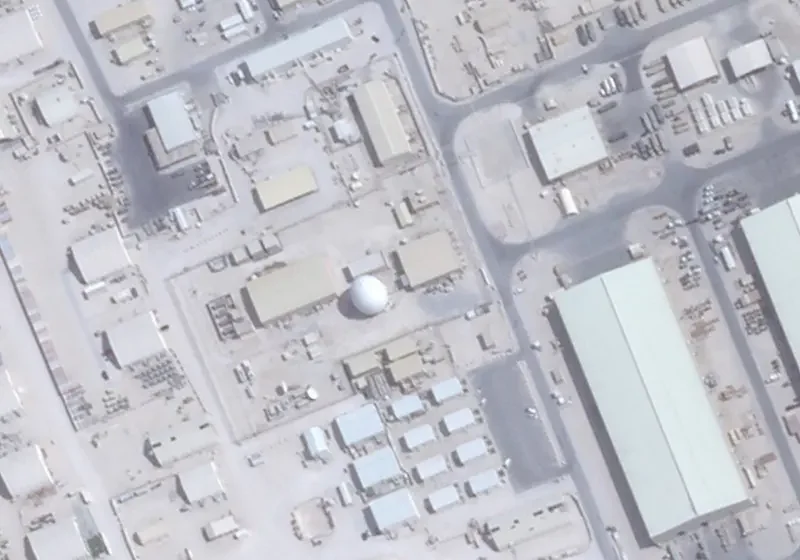
- US troops have been relocated from military bases to hotels and temporary locations after a series of missile and drone attacks in the Middle East, as reported by multiple sources.
- The move aims to reduce the risk of large-scale casualties by avoiding concentrated targets and adopting a more flexible, decentralized military strategy.
- Rising tensions involving Iran have forced the United States to rethink deployment and security measures in the region.
By Editorial Team | Updated: March 27, 2026 |
Why Work From Home has its own Advantages
The shift to remote work during the COVID-19 pandemic transformed how businesses and employees operate worldwide. Work from home (WFH) offered greater flexibility, allowing individuals to manage their schedules more efficiently while eliminating long commutes. This not only improved work-life balance but also reduced stress and increased overall productivity for many professionals. Companies, on the other hand, benefited from lower operational costs, including savings on office space, utilities, and travel expenses.
Additionally, WFH opened up new opportunities for digital collaboration and global hiring. Businesses could access talent beyond geographical limitations, while employees gained the freedom to work from safer environments during uncertain times. The adoption of virtual tools and cloud-based platforms accelerated digital transformation across industries, making remote work a sustainable model even beyond the pandemic.
Amid rising instability in the Middle East, United States troops have reportedly been moved out of traditional military bases and into temporary accommodations such as hotels and office buildings following a series of targeted attacks.
Why Are US Troops Moving to Hotels?
US troops are being moved to hotels and temporary locations after military bases in the Middle East were targeted by missile and drone attacks. This strategy reduces the risk of mass casualties by avoiding concentrated targets and adopting a decentralized deployment approach.
According to reports from global agencies like Reuters and Associated Press, the relocation comes after multiple US military installations were struck by missile and drone attacks in recent weeks. The strikes are believed to be linked to escalating tensions involving Iran and its allied groups in the region.
Why US Troops Are Being Relocated
Military officials suggest that the move is part of a broader effort to reduce vulnerability. Fixed military bases, once considered secure, are now increasingly exposed to precision-guided attacks, making them high-risk targets.
By dispersing troops across various civilian locations, the US military aims to minimize the chances of mass casualties in case of further strikes. This decentralized approach allows forces to remain operational while reducing exposure to concentrated attacks.
Despite the relocation, essential missions—including surveillance and air operations—continue to be carried out from fortified and strategically secured facilities, ensuring that military capabilities are not compromised.
Rising Tensions Across the Middle East
The Middle East has witnessed a sharp increase in hostilities, with several US-linked bases reportedly damaged in recent attacks. Coverage from BBC News and Al Jazeera indicates that the situation remains volatile, with ongoing threats to US personnel and infrastructure.
Security experts warn that surveillance and intelligence-sharing among hostile groups have made troop movements more visible, increasing the risk of targeted strikes even outside traditional military zones. This has forced a rapid shift in defense planning and operational tactics.
A Shift Toward Modern Warfare Tactics
The relocation highlights a growing trend in modern warfare—prioritizing mobility and unpredictability over static defense. Instead of relying solely on fortified bases, military forces are increasingly adopting flexible deployment strategies to adapt to evolving threats.
While this approach reduces the likelihood of large-scale casualties, it also introduces new challenges. Managing logistics, ensuring communication, and maintaining security in civilian environments require additional coordination and resources.
The United States is expected to continue adjusting its military presence in response to the evolving situation. Reports suggest that additional troops and resources may be deployed to reinforce security and maintain regional stability.
As tensions persist, the relocation of troops serves as a clear indicator of the seriousness of the threat landscape. It also reflects the need for adaptive strategies in a conflict environment where traditional defense methods are no longer sufficient.

